What are the benefits of silk?
Comfort, lightness, insulation and a soft touch: the qualities that make silk pleasant to wear.
Light, soft and supple, silk is very comfortable to wear. It absorbs some moisture, insulates without feeling heavy and remains pleasant against the skin. These properties nevertheless vary according to the weave, thickness and weight of the fabric.
What are the advantages and disadvantages of silk?
Silk combines several qualities that are appreciated day to day: softness, lightness, suppleness and thermal comfort. It absorbs some moisture, remains pleasant against the skin and offers a good balance between lightness and body.
In return, it requires more care than many synthetic textiles. Excessive heat, UV exposure, certain laundry products or repeated rubbing can weaken the fibre or alter its appearance.
It can also be prone to snags: a piece of jewellery or a sharp object can pull a thread.
With suitable care, these precautions nevertheless remain easy to incorporate into daily life.
Does silk keep you warm?
Yes. Despite its lightness, silk has good insulating properties and helps retain warmth close to the body without being thick or heavy.
Its insulating power nevertheless depends on its thickness and weave. A fine silk scarf will naturally not keep you as warm as a thick wool scarf.
Silk’s particular appeal lies in its good balance of warmth and lightness.
Can silk be worn in winter?
Yes. Silk can be worn very comfortably in winter, especially as a scarf.
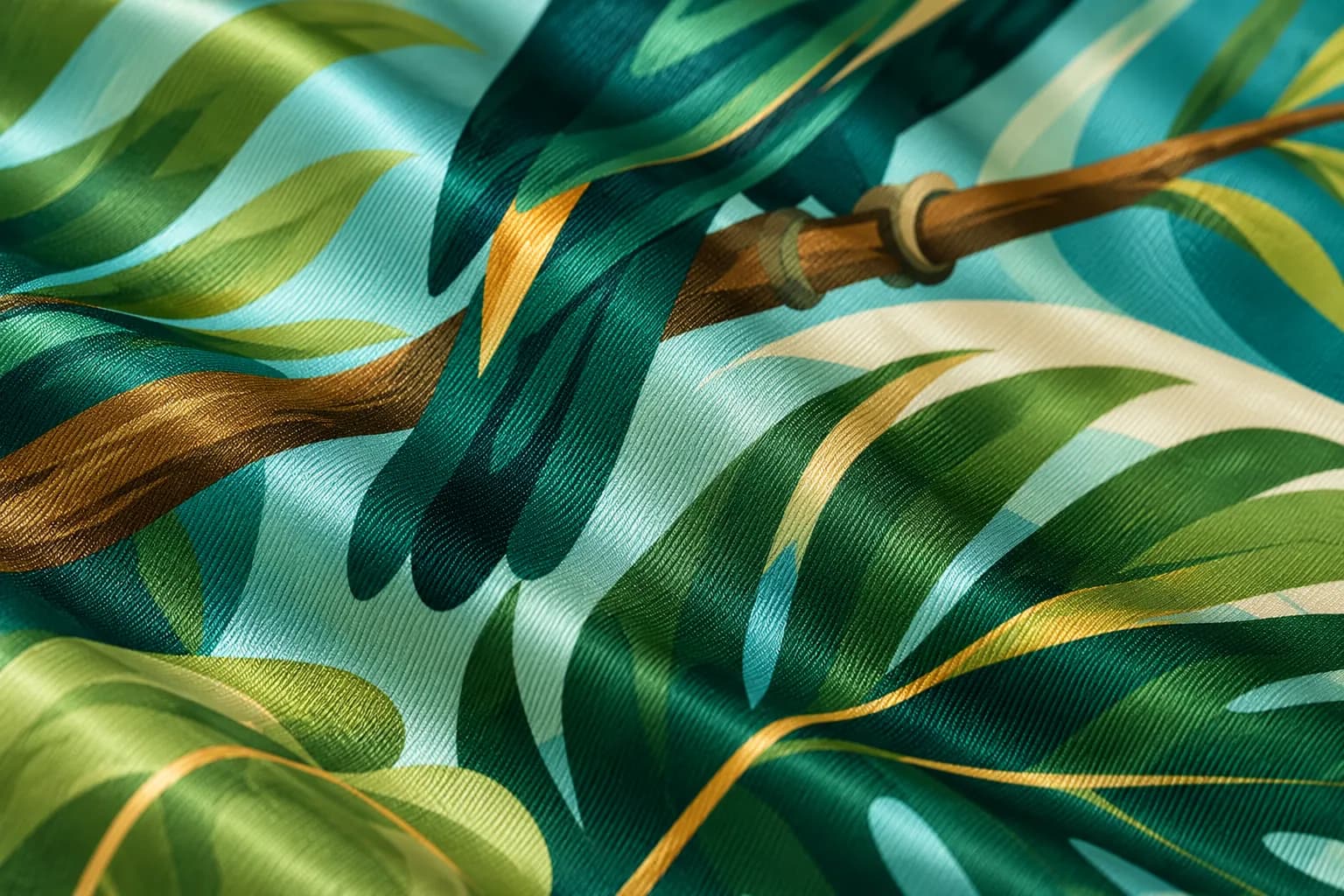
A silk-twill square protects the neck pleasantly without adding much bulk. In colder weather, it can be worn under a coat or paired with a warmer material.
Silk is therefore particularly suited to cool days and the transitional seasons, while remaining easy to wear in winter.
Is silk breathable?
Yes, but the feeling of breathability also depends on the weave and thickness of the fabric.
Silk naturally absorbs some moisture, which helps it remain comfortable against the skin without immediately feeling damp.
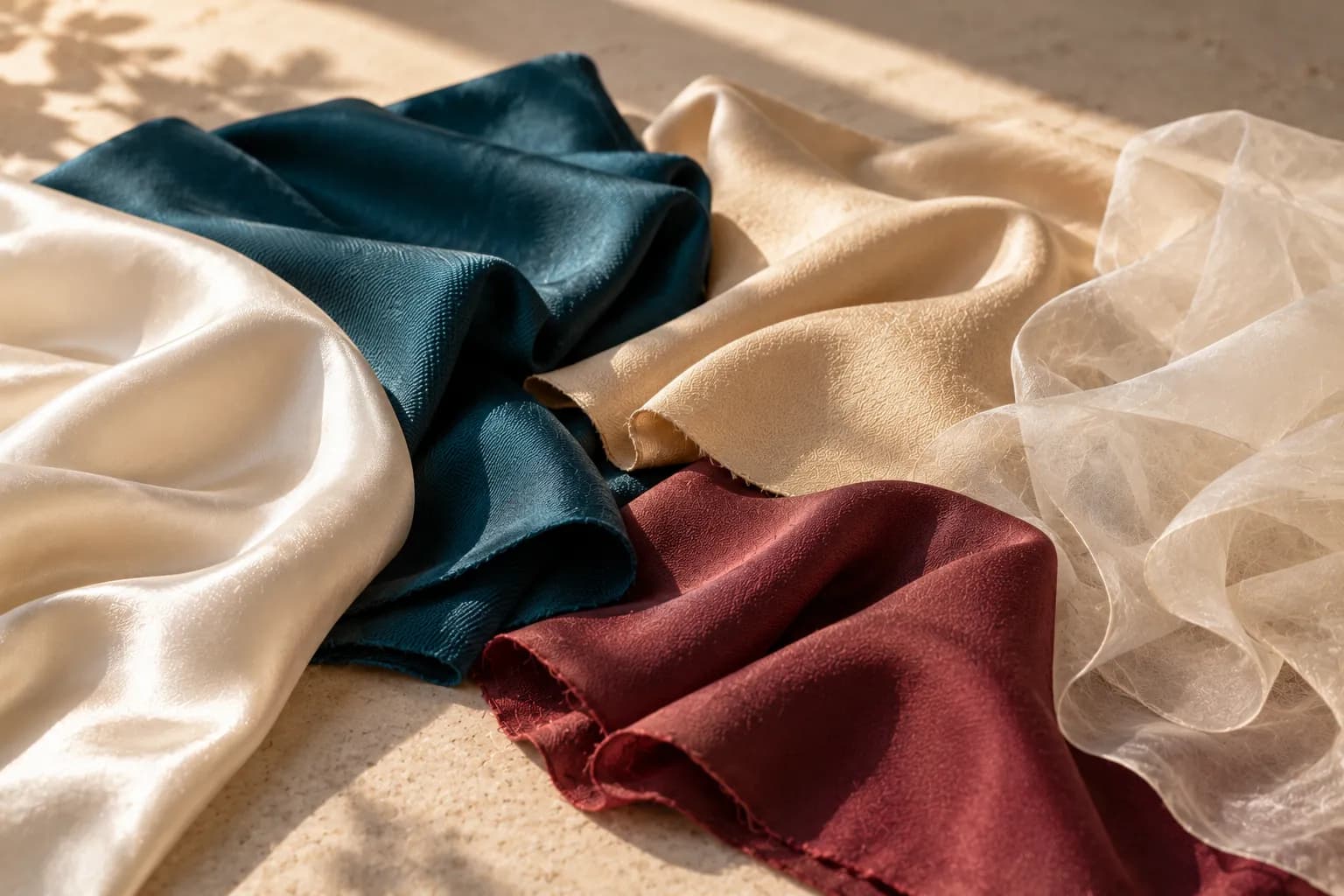
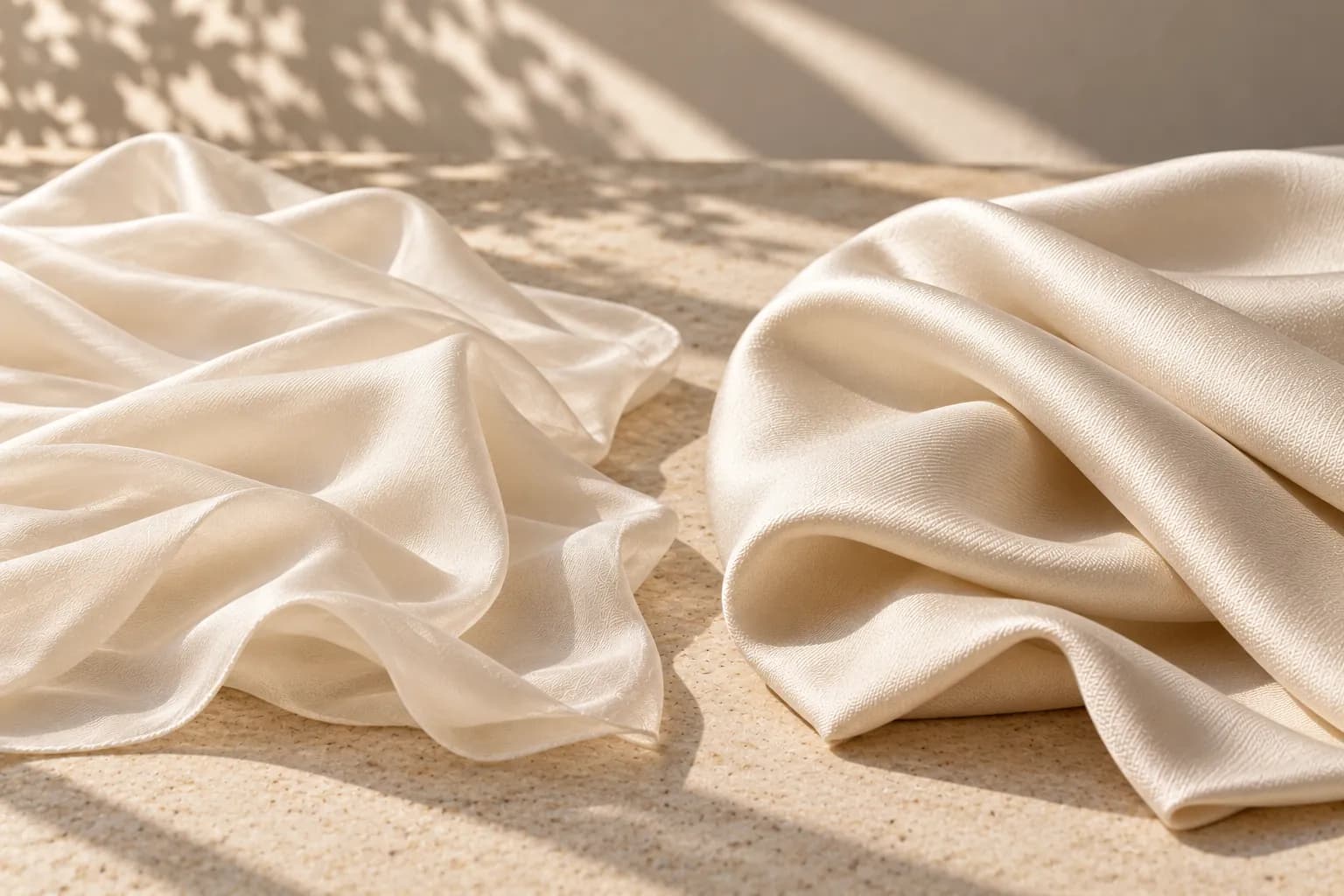
A lightweight chiffon will allow more air to circulate than a denser twill. Not all silk fabrics are therefore equally breathable, even though the fibre itself is comfortable in the presence of moisture.
What effect does silk have on the skin?
Silk is valued for its smooth surface and low friction. It glides easily against the skin and reduces repeated rubbing, which makes it especially pleasant to wear around the neck or close to the face.
It should not, however, be presented as skincare: silk does not prevent wrinkles, treat acne or moisturise the skin on its own.
Its main advantage is simpler: a soft, minimally abrasive contact with the skin.
What effect does silk have on hair?
Silk’s smooth surface generally creates less friction than rougher textiles. Hair glides more easily across the fabric, with fewer snags.
This is one reason why silk is often used for scarves, night bonnets and pillowcases.
It can therefore help limit knots and frizz caused by friction. Silk does not, however, nourish or repair hair simply through contact.